
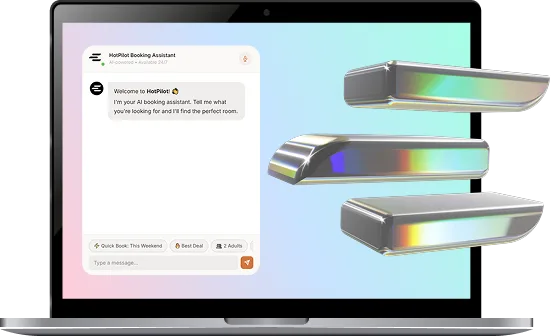

How AI-powered conversations are replacing static booking pages - and why hotels and rental properties that embrace this shift will win more guests, earn more trust, and unlock new revenue streams.
What Is Conversational Commerce - and Why Is Everyone Talking About It?
Not long ago, buying something online meant navigating a website, reading product descriptions, and clicking “Add to Cart.” Today, more and more purchases happen through conversations - inside messaging apps, voice assistants, AI-powered chat interfaces, and booking tools that feel less like forms and more like dialogue.
This shift has a name: conversational commerce. Coined in 2015, the term describes the intersection of messaging and shopping - where customers discover options, ask questions, and complete transactions through natural back-and-forth communication, rather than rigid menus and forms or static pages.
The growth has been staggering. Over 3 billion people worldwide use messaging apps every day. Consumers increasingly prefer chat to phone calls. And as artificial intelligence has matured, the quality of automated conversations has leapt forward - from clunky scripted bots to intelligent assistants that understand intent, remember context, and respond in seconds.
Key trends driving the space right now include:
• AI-powered natural language processing that makes automated conversations feel genuinely human
• Integration with WhatsApp, Instagram DMs, and SMS - channels people already use every day
• Mobile-first booking journeys, where a thumb-sized screen makes long forms painful
• Rising consumer expectations for instant, personalised responses at any hour of the day
What Does Conversational Commerce Mean for Travel and Hotel Booking?
Few industries are as ripe for this revolution as travel.
Think about the last time you tried to book a hotel online. You probably opened four or five tabs. You filtered by price, then by location, then scrolled through photos. You wondered whether the “sea view” was real or a marketing stretch. You compared breakfast options. You read reviews from 2019. Eventually, you either committed - or quietly closed all the tabs and came back a week later.

The traditional booking experience is transactional. Conversational commerce makes it human.
Imagine instead a booking experience that begins with a simple message: “Hi! When are you visiting, and is this trip for business or leisure?” From that single question, the system learns something valuable. It starts to guide you - not overwhelm you. It asks whether you prefer a quiet room or a city view. It mentions that the on-site restaurant has a tasting menu on Saturdays if you’re staying over the weekend. It checks if you’d like a late checkout because your flight is on Sunday evening.
This is what conversational commerce looks like in practice: a booking journey that mirrors speaking to a knowledgeable, attentive travel advisor - except available 24/7, in any language, at any scale.
The Top Problems That Conversational Commerce Solves in Travel
1. Information Overload
Modern booking platforms show hundreds of options. Filters help, but they still require the traveller to make all the decisions alone, without guidance. A conversational interface narrows the field by asking the right questions first - dramatically reducing the cognitive load on the customer and making them feel supported rather than lost.
2. Lack of Trust
A generic product description - however well-written - cannot replace the reassurance of a real exchange. When someone is about to spend hundreds or thousands of euros on a holiday, they want to feel that someone is actually listening and giving them honest guidance. Starting and maintaining a conversation creates a feeling of trust and relationship - something deeply important when booking your next trip. It is the difference between reading a brochure and speaking with someone who actually knows the property.
3. Booking Abandonment
Industry data consistently shows that over 80% of travel site visitors leave without completing a booking. Often, a single unanswered question at the wrong moment breaks the journey. A conversational interface can catch these moments in real time - offering help exactly when hesitation sets in.
4. One-Size-Fits-All Experiences
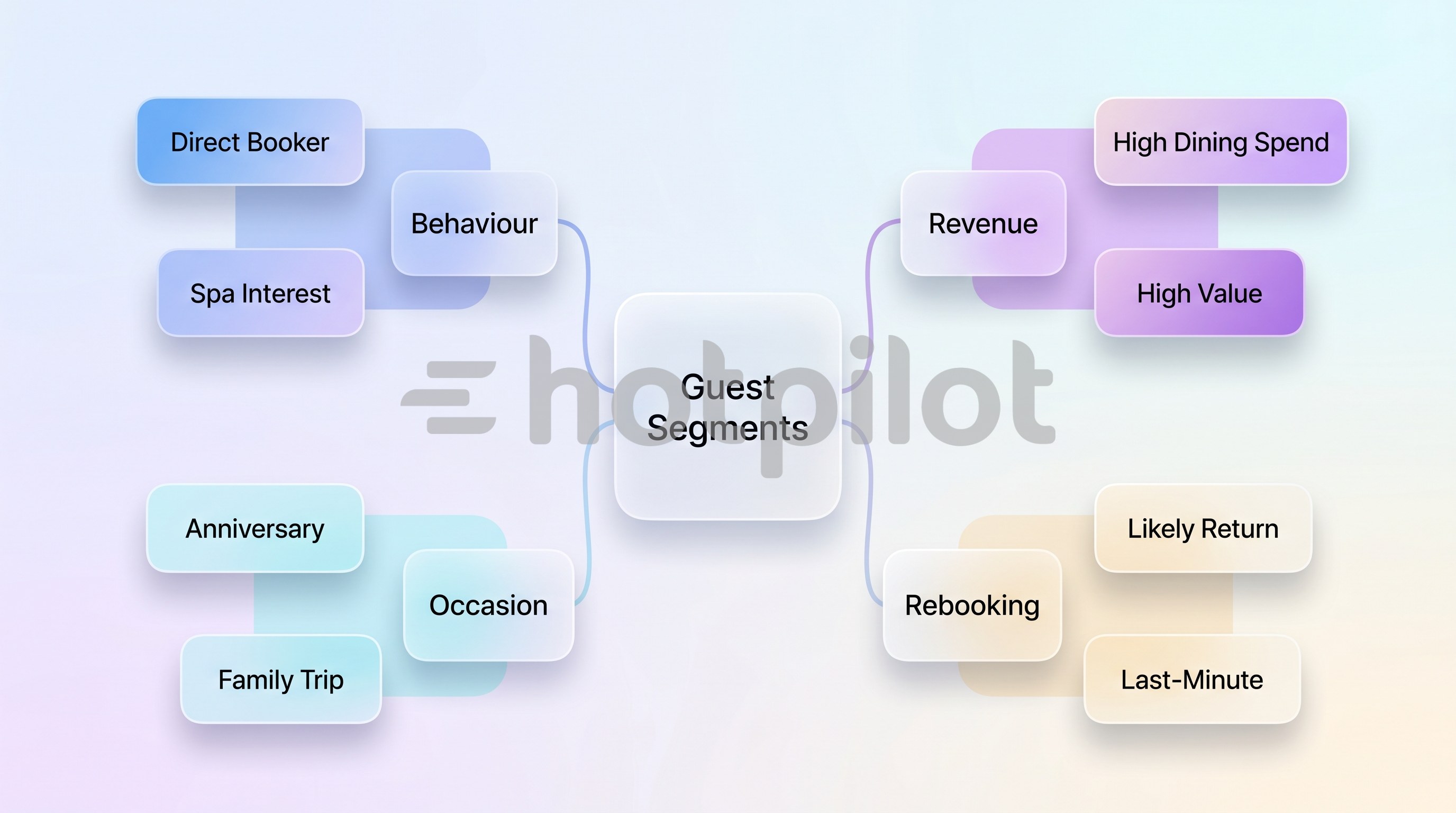
Standard booking engines show everyone the same thing. A solo business traveller and a family of four with a dog should not be looking at the same options or reading the same descriptions. Conversational commerce adapts dynamically to each person - and gets smarter over time.
How Conversational Commerce Outperforms the Existing Booking Experience

It Builds Trust Through Dialogue
Relationships are formed through conversations. When a hotel or rental property communicates directly with a prospective guest - asking questions, offering suggestions, handling concerns in real time - it creates an emotional connection that a static website simply cannot. That sense of being heard is particularly powerful in travel, where people are making decisions about something deeply personal: their time off, their anniversary trip, their family holiday. Conversational touchpoints turn browsers into bookers, and bookers into loyal guests.
It Unlocks Richer Data for Smarter Marketing
Every exchange in a conversational booking flow is a data point. When a guest mentions they are celebrating a birthday, prefer rooms above the third floor, or always ask about parking - that information is valuable. Conversational commerce unlocks unique opportunities for marketers to collect this data, analyse it, and use it to customise both the product and the communication. This is far richer than page-view analytics alone, and far more actionable.
It Transforms Retention and Upselling
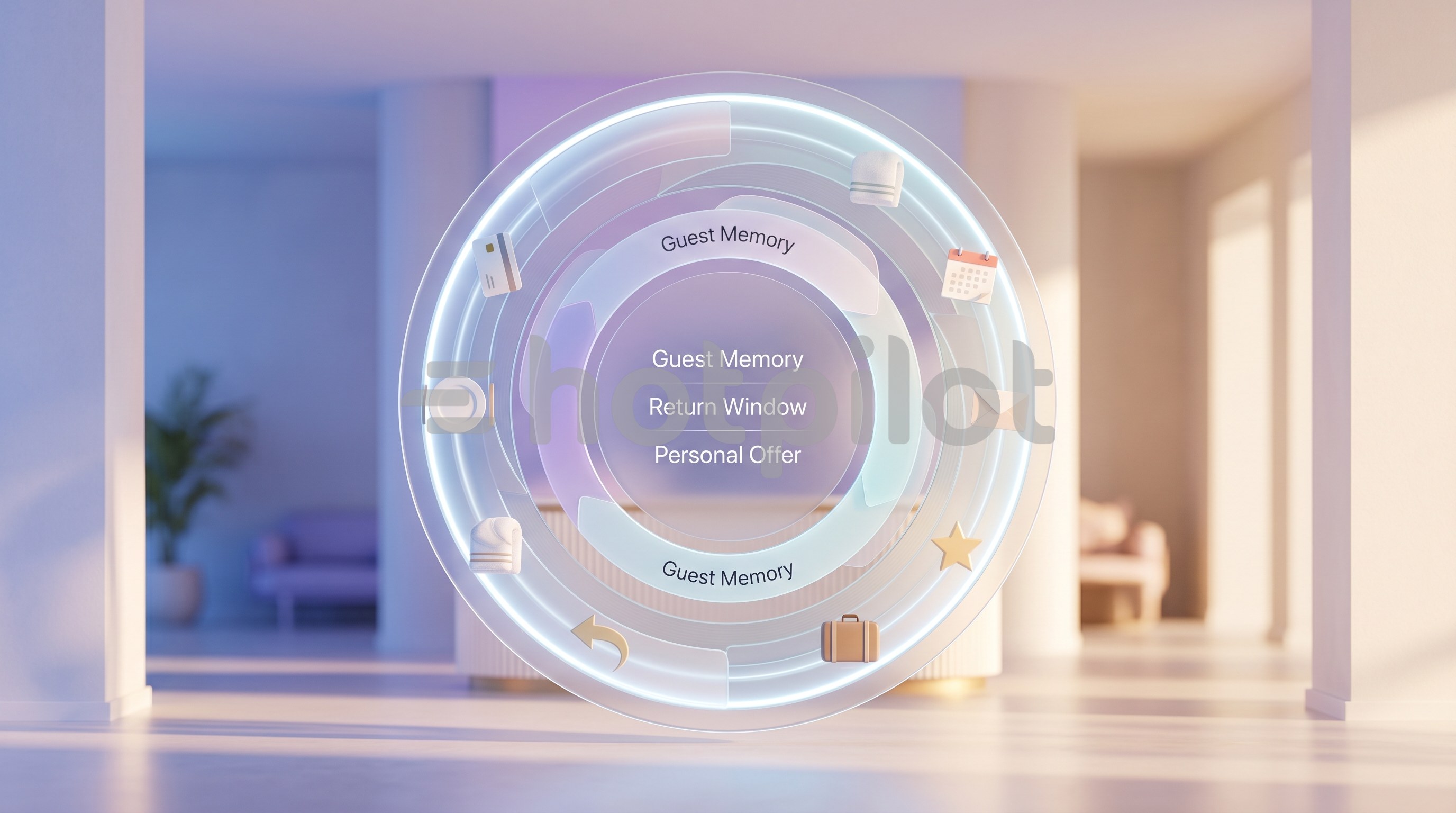
The most powerful moment in a hospitality relationship is not the first booking - it is everything that comes after. If you know someone, you can interact with them on a personal level and upsell in ways that feel natural, not pushy. A hotel that knows you love the spa and always book late checkout can reach out before your next visit with a tailored offer. An apartment rental that remembers you travel with a pet can send a curated welcome guide before you arrive. These are not mass blasts - they are genuine, relevant interactions that drive repeat business and higher spend per guest.
The Future of Travel Booking Is a Conversation
Conversational commerce is not a trend that will peak and fade. It is a fundamental shift in how people prefer to buy - and how businesses that want to stay competitive must learn to sell. In travel, where emotion, trust, and personalisation are everything, the brands that adopt this approach earliest will have a meaningful and lasting advantage.
The question is no longer whether guests want a more human booking experience. They already do. The question is whether the industry is ready to give it to them.
About HotPilot
HotPilot is a hotel booking and property management platform built for the next era of travel commerce. We combine conversational booking technology, advanced analytics, and AI-powered management tools to help accommodation businesses increase revenue, reduce operational overhead, and deliver guest experiences that keep people coming back.