The room was cleaned, but the guest still waited in the lobby because nobody told reception it was ready. Many complaints that appear to be about cleaning are communication faults wearing a housekeeping uniform. Hotel housekeeping management improves when the order of work, room status and unresolved defects are visible to everyone who needs them.
The objective is not to make a room attendant move faster. It is to stop good work from being scheduled in the wrong order or hidden after completion.
The arrivals list should determine the cleaning order
Cleaning rooms in numerical order feels organised. It is also disconnected from the guest impact. A vacant room with no arrival can wait longer than a room whose new guest is already travelling toward the hotel.
Build the first order from the day’s movement:
- Departed rooms with a same-day arrival, ordered by expected arrival time.
- Priority arrivals with an agreed operational need.
- Departed rooms without an arrival.
- Stayover service according to the property’s schedule and guest preference.
- Vacant checks or lower-priority work.
This sequence changes during the day. A delayed departure can block a high-priority clean, while an unexpected early arrival moves another room upward. The list therefore needs live status, not one printout produced before breakfast.
Reception should supply reliable arrival information. “Early” is too vague; a requested time, transport note or indication that the guest is already nearby helps housekeeping make a real choice. Equally, reception should not promise early access before the room is released.
The point is not to ignore room-number logic completely. Corridors, linen routes and team zones still affect efficient movement. Use those constraints within the arrival priorities, rather than allowing them to decide the whole day.
Priority rooms must be known before the shift
Some rooms need more than a generic “arrival today” label. A guest has requested early check-in, a family needs a cot, an accessible setup must be verified or maintenance is finishing a repair before cleaning can close.
These needs should be visible to the person assigning work before the shift starts. Discovering them when the family reaches reception turns ordinary preparation into a crisis.
A useful priority note contains:
- expected arrival time or operational reason for priority;
- required room setup;
- dependency such as maintenance, cot delivery or inspection;
- person responsible for the dependency;
- status that tells housekeeping when work may begin.
Do not place sensitive guest details in a general housekeeping note. The attendant needs the room requirement, not the guest’s full medical history or private conversation.
Avoid declaring every request urgent. If half the arrivals are labelled priority, the label cannot guide sequencing. Reception and housekeeping should agree which needs change the order and which can be handled within the normal turn.
When the requested early check-in cannot be achieved, tell reception early enough to manage expectations. A visible risk is easier to explain than a surprise after the guest has arrived.
At the pre-shift briefing, review the small number of genuine priorities and blocked rooms. The meeting should produce assignments, not merely repeat the arrivals list aloud.
Room-ready status must reach reception immediately
The moment a room passes the property’s final check, reception needs to know. If the status travels by shouting down a corridor, walkie-talkie or a tick on paper, it can be late, misunderstood or never reach the colleague serving the guest.
A shared status should distinguish the steps that matter:
- dirty or awaiting departure;
- cleaning in progress;
- inspection or setup required;
- blocked by maintenance;
- ready and released for the guest.
“Cleaned” and “ready” are not always identical. A room may be physically cleaned but waiting for a cot, repair verification or supervisor inspection. Reception should only issue the key when the agreed release condition is complete.
Shared housekeeping and task management for hotel operations gives both teams the same current state. The useful change is small: the attendant or supervisor updates the room once, and reception sees it without a second message.
Define who may mark a room ready. In one property the attendant completes the final check; in another a supervisor releases it. The system should reflect the real quality process rather than adding an approval nobody performs.
Maintenance findings must leave the room
A housekeeper sees the property at close range: a loose handle, slow drain, broken blind, failing lamp or mark that does not respond to ordinary cleaning. A verbal mention at the end of the corridor is easy to forget by the end of the shift.
The finding should become a task with:
- Room and exact location.
- Short description or photograph where appropriate.
- Severity and whether the room can be sold.
- Named owner or responsible team.
- Completion and verification status.
Housekeeping should not have to diagnose the technical cause. “Bathroom basin drains slowly” is useful; guessing which pipe must be replaced is not required. Maintenance owns diagnosis and resolution.
Set a clear rule for room-blocking defects. Safety, security, water, power and anything that prevents the promised use should stop release until the responsible person clears it. Cosmetic issues can follow a planned task while reception receives relevant context.
Closing a task should not depend only on “fixed.” Someone verifies that the room is usable and returns the status to the operational calendar. Otherwise reception may still believe the room is blocked, or the same issue may be rediscovered by a paying guest.
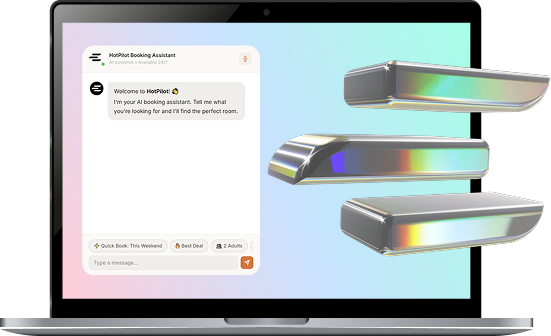
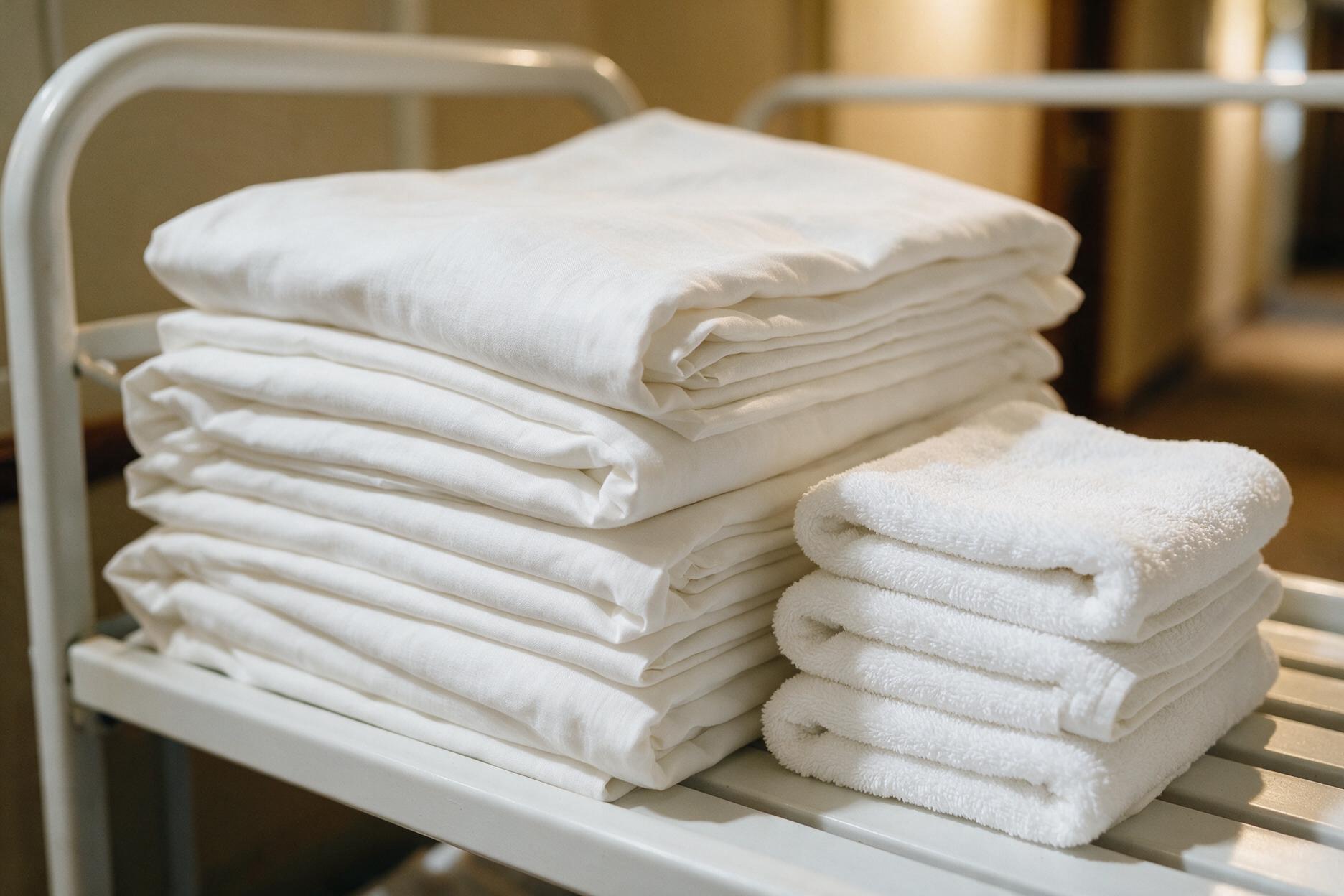
The change that removes most lobby waiting is simply reception and housekeeping seeing the same room status at the same moment. It is a small thing to demonstrate and easier to judge by looking at it.
Record stayovers, refusals and do-not-disturb
A stayover room is not a smaller departure clean. The guest’s presence changes access, privacy, timing and what service was requested. The daily list should distinguish full service, reduced service, requested time and no service.
When a do-not-disturb sign prevents entry, record the attempt and the property’s agreed follow-up. Do not leave the room marked as ordinary pending work, where the next shift may assume it was forgotten.
A service refusal also needs a record. It protects the guest’s choice and prevents a room attendant from being blamed for a room they were not allowed to enter. If the property has a welfare or safety procedure after extended non-access, follow that separately and proportionately.
Useful statuses include:
- service completed;
- guest requested later attempt;
- do-not-disturb observed;
- guest declined service;
- access or maintenance issue prevented completion.
Do not use a generic “not cleaned” label. It cannot distinguish staff capacity from guest choice or blocked access, so it creates blame without information.
Coordinate linen and amenity requests with the stayover status. A guest who declines cleaning may still request towels. Record the delivered service without reopening the whole room assignment.
At handover, unresolved later attempts need an owner and a sensible time. A note without responsibility simply moves the uncertainty to the evening team.
Staff to the shape of the day
Arrivals and departures are rarely even across the week. A coastal hotel may have concentrated changeover days; a city property may see weekday corporate movement and weekend leisure patterns. Rostering the same hours every day against uneven work guarantees pressure and idle periods.
Look at the upcoming workload before adding labour:
- departures and same-day arrivals by day;
- stayovers and requested service levels;
- room types with different cleaning effort;
- group departures or arrivals;
- known maintenance blocks and deep-clean tasks.
Room count alone is crude. Use the team’s observed effort by room type and move flexible deep-clean or stock work away from heavy changeover mornings. Before adding hours, check whether departure, linen delivery or a maintenance block is the real constraint.
What software does—and does not—change
Software can make the cleaning order, current room status and open maintenance issues visible in one place. It can reduce duplicate phone calls, lost paper lists and the time reception spends asking whether a room is ready.
It does not clean a room faster.
Presenting software as a productivity gain to a team already working hard is the fastest way to have it ignored. If the introduction sounds like “do more rooms in less time,” attendants reasonably hear monitoring and pressure rather than help.
Explain the practical exchange instead:
- fewer interruptions asking for status;
- priorities visible before work begins;
- no blame for recorded refusals or blocked access;
- maintenance notes assigned rather than forgotten;
- completed rooms reaching reception immediately.
Keep updates short enough to perform in the corridor. If marking a room ready requires several screens, staff will return to paper or wait until the shift ends, destroying the live value.
Introduce the workflow with the people who use it. Ask which statuses reflect reality, test it on a busy day and remove fields that do not support a decision. Visibility only works when updating it is part of the job rather than additional reporting after the job.
The honest benefit is coordination. The room still takes the time and care it takes to clean.
Let’s sum up!
- Same-day arrivals and expected arrival times should set priority before room-number order.
- Early arrivals, special setups and maintenance dependencies must be visible before the shift.
- A shared room-ready status prevents cleaned rooms from remaining invisible to reception.
- Maintenance findings need a task, owner and verification rather than a verbal mention.
- Stayover refusals and do-not-disturb attempts require distinct records so incomplete access is not blamed on staff.
- Software improves coordination and visibility; it does not make a hard-working team clean rooms faster.
If your guests are waiting in the lobby for rooms that are already clean, book a demo — this is usually a fast fix.